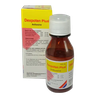
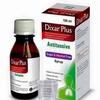
Temporarily relieves these symptoms due to common cold, hay fever (allergic rhinitis) or other upper respiratory allergies:
cough due to minor throat or bronchial irritation
runny nose
sneezing
itching of the nose or throat
itchy, watery eyes
nasal congestion
reduces swelling of nasal passages
Therapeutic Class
Combined cough suppressants
Pharmacology
This preparation is a mixture of antitussive, decongestant and antihistamine agent. Dextromethorphan is a safe, effective, non-narcotic antitussive agent which has a central action on the cough centre in the medulla. Although structurally related to Morphine, it has no analgesic and habit forming properties and in general it has little sedative activity. Phenylephrine is a decongestant that shrinks blood vessels in the nasal passage. It is used to treat nasal and sinus congestion of the tubes that drain fluid from inner ear. Triprolidine provides symptomatic relief in conditions believed to depend wholly or partly upon the triggered release of histamine. It is a potent competitive histamine H1-receptor antagonist of the pyrrolidine class with mild central nervous system depressant properties which may cause drowsiness.
Interaction
Taking certain MAO inhibitors with this medication may cause a serious (possibly fatal) drug interaction. Avoid taking isocarboxazid, methylene blue, moclobemide, phenelzine, procarbazine, rasagiline, selegiline, or tranylcypromine during treatment with this medication. Most MAO inhibitors should also not be taken for two weeks before treatment with this medication. Caution should be excercised while taking this drug with antihistamines applied to the skin (such as diphenhydramine cream, ointment, spray), antispasmodics (e.g. atropine, belladonna alkaloids), beta blockers (e.g. metoprolol, atenolol), drugs for Parkinson’s disease (e.g. anticholinergics such as benztropine, trihexyphenidyl), guanethidine, certain inhaled anesthetics (e.g. halothane), methyldopa, reserpine, scopolamine, tricyclic antidepressants (e.g. amitriptyline, desipramine), anti seizure drugs (e.g. carbamazepine), medicine for sleep or anxiety (e.g. alprazolam, diazepam, zolpidem), muscle relaxants, narcotic pain relievers (e.g. codeine), psychiatric medicines (e.g. chlorpromazine, risperidone, amitriptyline, trazodone).
Contraindications
It should be avoided in patients with liver disease or asthmatic patients and is contraindicated in patients taking monoamine oxidase inhibitors or within 2 weeks from stopping such treatment, known hypersensitivity to phenylephrine hydrochloride, dextromethorphan hydrobromide and during acute attacks of asthma. It is contraindicated in patients with severe hypertension or severe coronary artery disease.
Side Effects
It may cause drowsiness, dottiness and constipation. Other side effects that may occur include GIT discomfort. No apparent evidence of physical dependence of the morphine type. Other less common side effects may include transient hypertension, dry mouth, restlessness, palpitations, allergic reactions such as rashes, tightness of chest, thickening of bronchial secretions, toxic psychosis and blood dyscrasia.
Pregnancy And Lactation
There are no specific data on use of this combination during pregnancy & lactation
Precautions And Warnings
This preparation may cause drowsiness. If affected, do not drive motor vehicle or operate machinery. Avoid alcoholic drink while on this medication. Use with caution in patients with epilepsy, prostatic hypertrophy, glaucoma, hepatic disease, hypertension, heart disease, diabetes, hyperthyroidism, patients with stenosing peptic ulcer, pyloro-duodenal obstruction or bladder neck obstruction, unless under the medical advice and supervision. If symptoms do not improve within one week or accompanied with high fever, consult a physician before continuing use.
Overdose Effects
In cases of over dosage, hospital admission is strongly advised. Over dosage may produce respiratory depression, paranoid psychosis, delusions, hallucinations, and convulsion. Treatment should include emptying the stomach by aspiration or gastric lavage. Nervous stimulation and convulsions should be treated with a sedative such as diazepam intramuscularly. If marked excitation is present, a sedative such as diazepam or a short-acting barbiturate may be given.Severe over dosage of phenylephrine hydrochloride may produce hypertension and associated reflex bradycardia. Treatment measures include early gastric lavage and symptomatic and supportive measures. The hypertensive effects may be treated with an alpha-receptor blocking agent (such as phentolamine mesilate 6-10 mg) given intravenously, and the bradycardia treated with atropine, preferable only after the pressure has been controlled.
Storage Conditions
Keep out of the reach of children. Keep in a cool & dry place. Protect from light.
Drug Classes
Combined cough suppressants
Mode of Action
This preparation is a mixture of antitussive, decongestant and antihistamine agent. Dextromethorphan is a safe, effective, non-narcotic antitussive agent which has a central action on the cough centre in the medulla. Although structurally related to Morphine, it has no analgesic and habit forming properties and in general it has little sedative activity. Phenylephrine is a decongestant that shrinks blood vessels in the nasal passage. It is used to treat nasal and sinus congestion of the tubes that drain fluid from inner ear. Triprolidine provides symptomatic relief in conditions believed to depend wholly or partly upon the triggered release of histamine. It is a potent competitive histamine H1-receptor antagonist of the pyrrolidine class with mild central nervous system depressant properties which may cause drowsiness.
Pregnancy Category
As with any other drugs, use in pregnancy and lactation is best avoided.