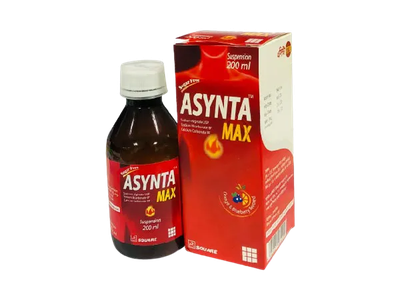
Asynta Max 200 ml
Generic: Sodium Alginate + Sodium Bicarbonate + Calcium Carbonate
Category: Oral Suspension
Manufacturer: Square Pharmaceuticals Ltd.

Price: 250.0 ৳
200ml bottle

Alternative Brands & Related Medicines
Algicid DX 200 ml
Sodium Alginate + Sodium Bicarbonate + Calcium Carbonate
৳ 300.0
Algicid Plus 200 ml
Sodium Alginate + Sodium Bicarbonate + Calcium Carbonate
৳ 250.0
Algisum-DX 500 mg+213 mg+325 mg/10 ml
Sodium Alginate + Sodium Bicarbonate + Calcium Carbonate
৳ 290.0
Algisum-MAX 5OO mg+267 mg+160 mg/10 ml
Sodium Alginate + Sodium Bicarbonate + Calcium Carbonate
৳ 300.0
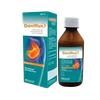
Gaviflux 200 ml
Sodium Alginate + Sodium Bicarbonate + Calcium Carbonate
৳ 300.0
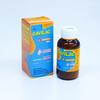
Gavilac 200 ml
Sodium Alginate + Sodium Bicarbonate + Calcium Carbonate
৳ 300.0
Indications
Therapeutic Class
Antacids
Pharmacology
The mode of action of the product is physical and does not depend on absorption into the systemic circulation. Upon ingestion, Sodium Alginate + Sodium Bicarbonate + Calcium Carbonate rapidly reacts with gastric acid, forming a protective Alginic acid gel raft with a nearly neutral pH. This raft floats on the stomach contents, effectively preventing gastro-esophageal reflux for up to 4 hours. In severe cases, the raft itself may be refluxed into the esophagus, providing a soothing effect rather than the stomach contents.
Dosage and Administration
Interaction
Contraindications
Side Effects
Pregnancy And Lactation
Pregnancy: Clinical studies involving over 500 pregnant women, along with extensive post-marketing data, have shown no evidence of malformation or fetal/neonatal toxicity from the active substances. This medication can be safely used during pregnancy when clinically necessary.
Breastfeeding: No adverse effects of the active substances have been observed in breastfed newborns/infants of mothers undergoing treatment. This medication is considered safe for use during breastfeeding.
Fertility: Pre-clinical investigations have demonstrated that alginate has no detrimental effects on parental or offspring fertility or reproduction. Clinical data also do not suggest any impact of this medication on human fertility.
Precautions And Warnings
Overdose Effects
In the event of over dosage symptomatic treatment should be given. The patient may notice abdominal distension.
Storage Conditions
Store in a cool (below 30°C) and dry place, away from light. Keep out of the reach of children. Do not refrigerate or freeze.
Drug Classes
Antacids
Mode of Action


Samm Care